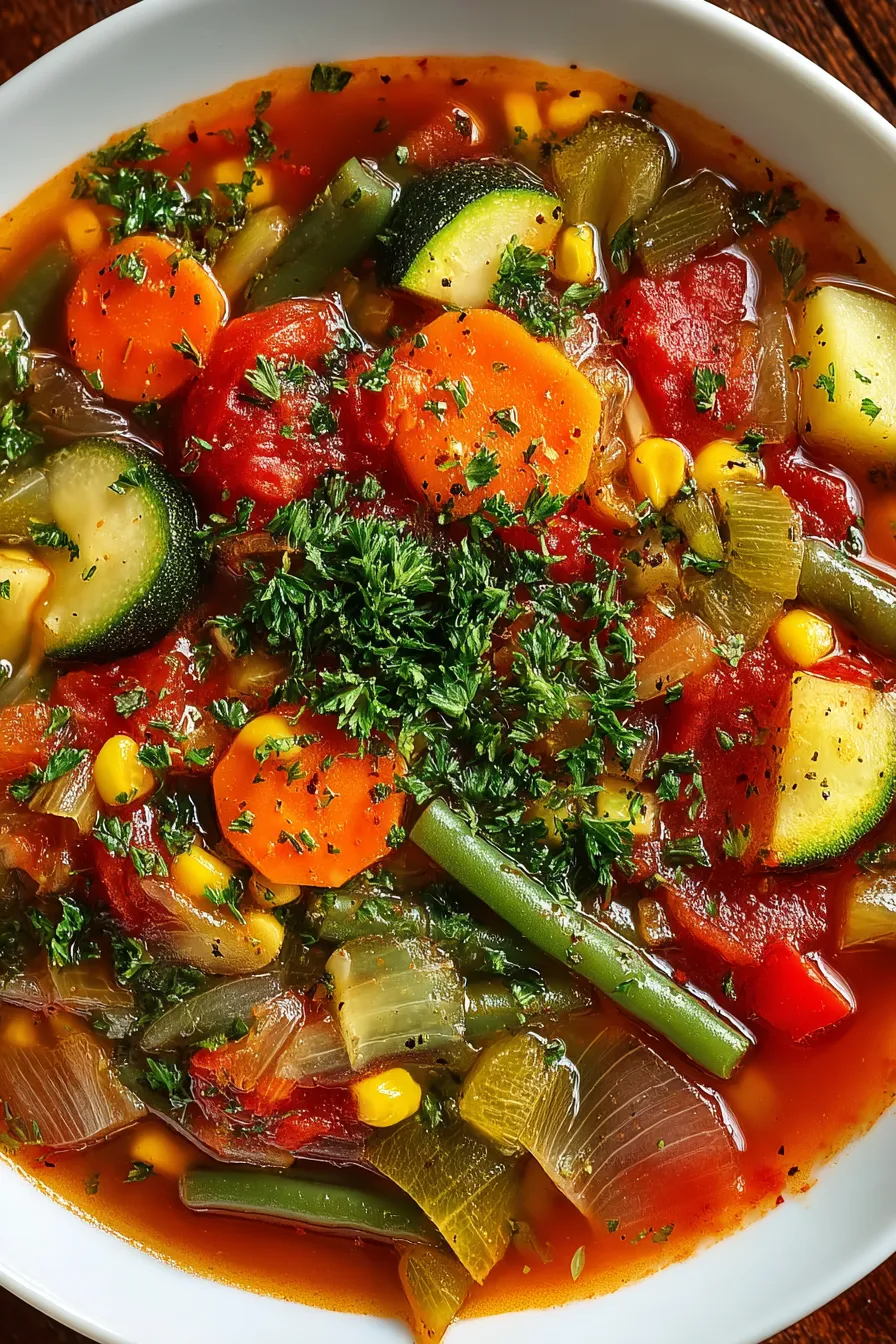
The Enduring Appeal of Homemade Slow Cooker Vegetable Soup
There’s a comforting warmth that only a steaming bowl of homemade vegetable soup can provide. It's a culinary hug that transcends seasons, offering a hearty, healthy, and deeply satisfying meal. While canned options exist, they simply can't compare to the vibrant flavors and nutritional richness of a soup crafted in your own kitchen. And when you harness the magic of a slow cooker, this beloved dish transforms into an effortless culinary masterpiece, perfect for busy weeknights or peaceful weekends.
This isn't just any vegetable soup; it's often a family legacy, passed down through generations. Grandmothers and mothers have long perfected their versions, understanding that a good slow cooker vegetable soup recipe is more than just ingredients – it's a feeling. Naturally low in fat and calories, yet incredibly filling, it’s a guilt-free pleasure that can be customized to your family’s exact preferences. The slow cooker method enhances these qualities, allowing vegetables to simmer gently, melding their flavors into a rich, aromatic broth that’s far superior to anything from a can. It frees you from constant stirring, letting time do the work to create a deeply flavored soup that tastes like you spent hours slaving over a hot stove, when in reality, you simply set it and forgot it.
Crafting Your Perfect Slow Cooker Vegetable Soup: Ingredients & Customization
The beauty of a truly great
slow cooker vegetable soup recipe lies in its remarkable versatility. While classic combinations often include familiar favorites, there's no strict rulebook. This allows you to truly make it your own, adapting to seasonal availability, pantry staples, or even adventurous new flavors.
What Vegetables to Include
Many home cooks gravitate towards a traditional medley, reminiscent of recipes passed down through families. These often include:
- Onion: The aromatic base, providing depth.
- Carrots & Celery: The classic mirepoix foundation, offering sweetness and earthiness.
- Potatoes: For a hearty, starchy element that thickens the soup slightly.
- Green Beans & Corn: Adding freshness and a touch of sweetness.
- Tomatoes: Canned diced tomatoes or crushed tomatoes bring essential acidity and umami.
- Okra & Lima Beans: Traditional Southern additions for unique texture and flavor.
But don't stop there! Think of your slow cooker as a canvas. Embrace variety by adding:
- Leafy Greens: Spinach or kale stirred in during the last 30 minutes adds a nutritional boost and vibrant color.
- Cruciferous Veggies: Small florets of broccoli or cauliflower, or even thinly sliced cabbage.
- Mushrooms: Sliced cremini or button mushrooms add an earthy, savory note.
- Bell Peppers: Any color for a pop of flavor and sweetness.
- Zucchini or Yellow Squash: Adds tenderness and moisture, especially good in warmer months.
- English Peas: Sweet and tender, a welcome addition.
The key is to consider texture and cooking times. Heartier vegetables like carrots and potatoes do well with longer cooking, while more delicate greens should be added later.
Can You Use Frozen Vegetables in Vegetable Soup? Absolutely!
One of the greatest conveniences when making
homemade vegetable soup, especially in a slow cooker, is the ability to use frozen vegetables. They are often picked at their peak freshness and flash-frozen, locking in nutrients and flavor. This makes them a fantastic year-round option, eliminating chopping time and reducing food waste. You can simply toss in bags of frozen green beans, corn, okra, or even a mixed vegetable medley directly into the slow cooker – no thawing required! This is a fantastic tip for making an
Easy Slow Cooker Vegetable Soup: Healthy & Hearty Family Meal even simpler to prepare.
Adding Protein and Flavor Depth
While delicious on its own as a vegetarian meal, you can easily transform your slow cooker vegetable soup with added protein:
- Beef or Turkey: Brown ground beef or turkey in a skillet before adding to the slow cooker for a hearty beef vegetable soup. Drain any drippings for a healthier option.
- Lentils or Chickpeas: For a plant-based protein boost, add rinsed lentils (they cook down beautifully) or canned chickpeas during the last hour.
- Broth Choice: Vegetable broth keeps it vegetarian, while chicken or beef broth adds another layer of savory flavor. Opt for low-sodium varieties to control salt content.
Seasonings are crucial. Beyond salt and pepper, consider a bay leaf, dried thyme, oregano, or a touch of smoked paprika for depth. A splash of Worcestershire sauce or a bouillon cube can also amplify umami. Always taste and adjust before serving!
Slow Cooker VS. Stovetop: Flexibility for Busy Lives
The slow cooker is undoubtedly the star of this recipe, offering unparalleled convenience. However, knowing both methods provides invaluable flexibility, ensuring you can enjoy a comforting bowl of vegetable soup regardless of your schedule.
The Slow Cooker Advantage
The primary draw of a
slow cooker vegetable soup recipe is its "set it and forget it" nature. You spend minimal time on prep – often just 15-20 minutes chopping vegetables – then simply combine all your ingredients in the crock pot. The slow, gentle simmer over several hours allows flavors to meld beautifully, creating a depth and richness that's hard to achieve in a shorter cooking time. This method is perfect for busy days when you want a nutritious meal ready and waiting after work, or for hands-off cooking during a weekend. The consistent, low heat also helps tenderize tougher vegetables and meats (if using) without overcooking them.
Quick Stovetop Alternative
Life happens, and sometimes you need a delicious meal on the table faster. For those moments, this versatile soup can be easily adapted for the stovetop.
- If using ground beef or turkey, brown it in a large Dutch oven or heavy-bottomed soup pot over medium heat. Drain any excess fat.
- Add all remaining ingredients (vegetables, broth, seasonings) to the pot.
- Bring the soup to a boil, then reduce heat to low, cover, and simmer for about 15-20 minutes, or until vegetables are tender.
- Taste and adjust seasonings as needed before serving.
While the stovetop version delivers a delicious soup relatively quickly, the slow cooker truly shines in developing those complex, comforting flavors. For more tips on adapting between methods and using various ingredients, check out our guide on
Healthy Slow Cooker Vegetable Soup: Fresh, Frozen, & Stovetop Tips.
Master the Art of Make-Ahead & Freezing Vegetable Soup
One of the most practical benefits of making a big batch of
slow cooker vegetable soup is its exceptional suitability for meal prepping and freezing. This transforms a simple recipe into a powerhouse of convenience, ensuring you always have a healthy, homemade meal just moments away.
Making Ahead for Refrigeration
If you're planning your meals for the week, this soup is your best friend. Once your slow cooker has worked its magic, allow the soup to cool completely. This is a crucial step for food safety and preventing condensation which can lead to sogginess. Once cooled, transfer it to an airtight container and store it in the refrigerator for up to 5 days. It's perfect for grab-and-go lunches or quick dinners, often tasting even better the next day as the flavors continue to meld.
Freezing for Long-Term Storage: Your Emergency Meal Solution
Freezing vegetable soup is a fantastic way to extend its shelf life and build up a stash of wholesome, ready-to-eat meals. With proper technique, you can enjoy your homemade soup for months to come.
The Golden Rules of Freezing Soup:
- Cool Completely: Before freezing, ensure the soup has cooled down entirely to room temperature. Freezing hot soup can lower the temperature of your freezer, potentially thawing other items, and can also lead to an undesirable texture.
- Choose the Right Container: Opt for freezer-safe containers that are either glass (tempered, specifically designed for freezing) or BPA-free plastic. Heavy-duty freezer bags are also excellent, especially for maximizing freezer space; lay them flat to freeze, then store upright.
- Leave Headroom: When filling containers, leave about an inch of space at the top. Liquids expand when frozen, and this prevents containers from cracking or bursting.
- Portion Control: Consider freezing soup in individual portions. This makes reheating much easier and prevents you from thawing more than you need. Mason jars (wide-mouth, leave plenty of headroom) are great for this!
- Label and Date: Always label your containers with the contents and the date it was frozen. This helps you keep track of freshness and avoid the mystery meal syndrome. Your frozen vegetable soup will maintain optimal quality for up to 3 months.
Reheating Your Frozen Soup:
When hunger strikes, simply retrieve a portion of your frozen soup:
- Thawing: The best method is to transfer the frozen soup from the freezer to the refrigerator overnight. This allows for a gentle, safe thaw. If you're in a hurry, you can place a sealed container or bag in a bowl of cold water (changing the water every 30 minutes) or use the defrost setting on your microwave.
- Reheating: Once thawed, transfer the soup to a saucepan on the stovetop. Heat over medium-low heat, stirring occasionally, until it’s heated throughout and simmering gently. This usually takes about 10-15 minutes for a single serving. Alternatively, you can reheat in the microwave, stirring halfway through, until piping hot.
With these make-ahead and freezing tips, your slow cooker vegetable soup recipe becomes an indispensable tool for healthy, convenient eating, transforming leftovers into future feasts.
Conclusion
A homemade
slow cooker vegetable soup recipe is more than just a meal; it’s a healthy habit, a comforting classic, and a testament to the power of simple, wholesome ingredients. Its unparalleled versatility allows you to tailor it to your taste, dietary needs, and the season, making it a perennial family favorite. By embracing the make-ahead and freezing techniques, you unlock an incredible level of convenience, ensuring that a nourishing bowl of steaming vegetable soup is always within reach, ready to warm your body and soul with minimal effort. So, dust off your slow cooker, gather your favorite vegetables, and get ready to enjoy the timeless comfort and endless benefits of this truly remarkable dish.